

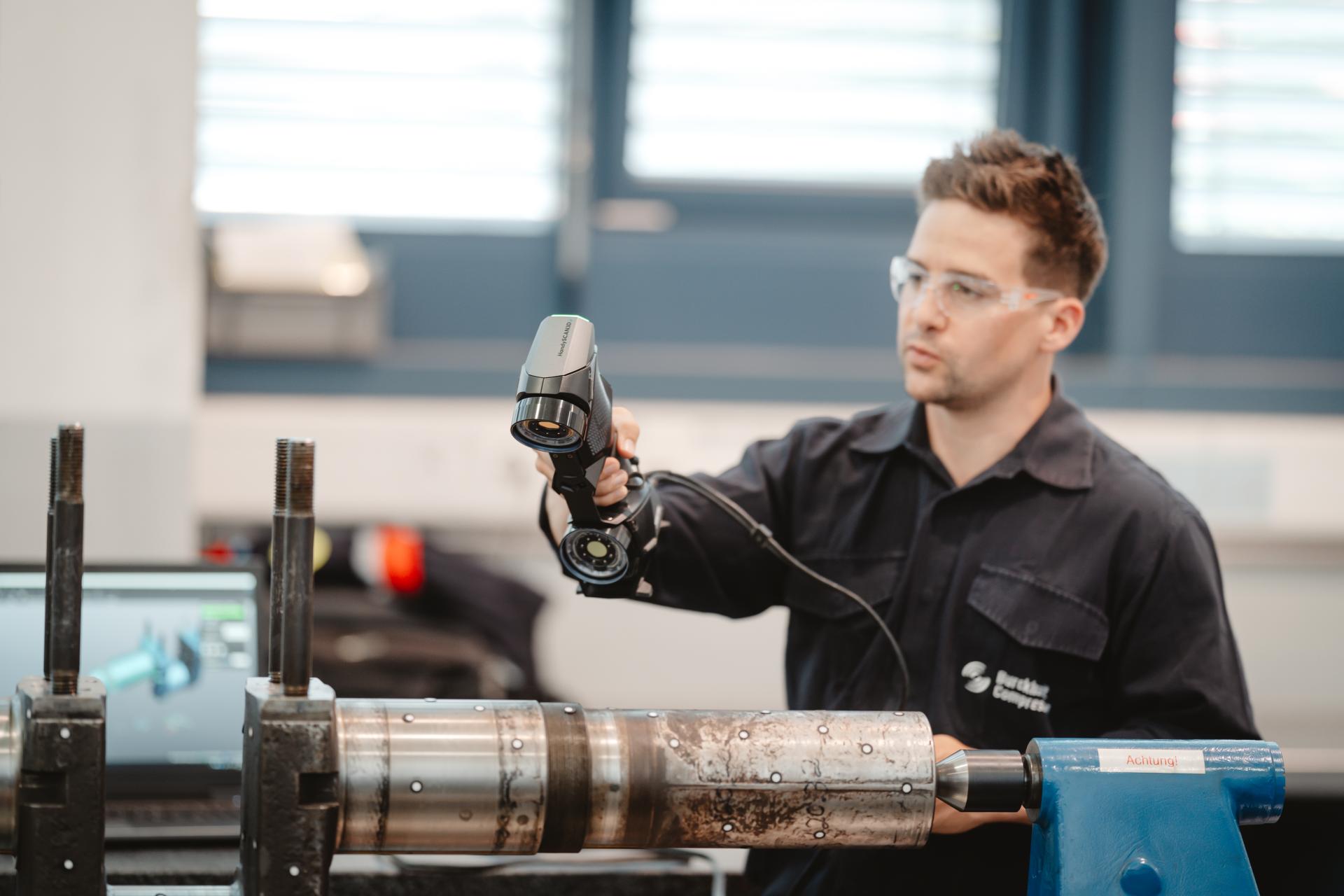
Reciprocating compressors are widely regarded as robust and dependable assets, often operating for decades in demanding environments. However, even the most reliable machinery is not immune to the effects of time. As compressors move beyond the 10 to 15-year mark, a series of predictable performance and reliability challenges begin to emerge, many of which directly translate into higher operating costs.
Assessing the toll of time
One of the most immediate and measurable impacts is declining efficiency. Over time, wear on internal components, increased operating temperatures and reduced mechanical tolerances can result in energy consumption rising by as much as 30% compared to original design specifications. In energy-intensive industries such as petrochemicals, refining, and gas transport, this degradation can significantly inflate operating expenses.
Leakage is another critical concern. aging seals, valves and fittings often lead to increased gas losses and without active monitoring and maintenance, leakage rates can exceed 50%. The financial implications are substantial. A single quarter-inch leak, often considered minor, can result in the loss of more than three million cubic feet of compressed gas per month. In cost terms, that equates to approximately USD 12’000 annually per leak, with some cases exceeding USD 27’000 depending on gas type and operating conditions.
Beyond energy and material losses, aging compressors introduce growing compliance and quality risks. Older systems are more susceptible to contamination and can struggle to meet modern standards and regulatory requirements. Maintaining compliance often becomes more complex and costly, requiring increased intervention and oversight.
Tackling the issues
These challenges are not isolated incidents but are common across mature compressor fleets worldwide. The question operators must ask is not whether their aging assets are affecting performance, but how significantly, and what can be done about it.
Addressing these issues requires more than routine maintenance. It calls for a strategic, lifecycle-based approach grounded in deep engineering expertise. This is where experienced OEM partners play a crucial role, offering tailored solutions that extend beyond simple repairs.
Maintenance and overhaul services remain the first line of defense, helping to stabilize performance and extend the usable life of existing assets. However, modernization and targeted upgrades often deliver even greater value. By integrating advanced materials, improved designs, and updated components, operators can restore efficiency and reliability at a fraction of the cost of full replacement.
Monitoring and rebuilding for the modern age
Equally important is the role of digital monitoring solutions, which enable predictive maintenance strategies. By identifying potential failures before they occur, operators can significantly reduce unplanned downtime and optimize maintenance schedules.
Real-world examples illustrate the impact of these approaches. In one case, a mining company operating a 60-year-old reciprocating compressor faced severe reliability challenges, compounded by a lack of OEM support and incomplete historical documentation.
Through a comprehensive zero-hour overhaul by Burckhardt Compression, the compressor was effectively given a new lease of life. Key upgrades included redesigned pistons, advanced sealing materials and precision-machined cylinder liners. The result was not only a restoration of performance but a complete reset of the asset’s operational lifecycle. Reliability improved dramatically, with availability increasing from 62% to 88%, and unplanned outages reduced to a fraction of previous levels.
Upgrading components for extended performance
Similarly, a major agricultural chemicals producer experienced recurring failures in dry-running piston compressors, leading to excessive downtime and high discharge temperatures. A detailed assessment identified root causes including accelerated wear and suboptimal design features.
Through targeted modernization, such as the introduction of cylinder liners and upgraded components, operators achieved a significant reduction in gas outlet temperatures and a fourfold increase in the lifespan of critical sealing elements. The improvements delivered a return on investment of less than two years, underlining the financial benefits of proactive intervention.
Another example from the petrochemical sector highlights how even relatively small issues can escalate into major cost drivers. A compressor experiencing vibration and frequent shutdowns was found to have component wear caused by fretting. By applying precision repair techniques and reusing existing parts where possible, engineers not only resolved the immediate issue but also reduced maintenance costs by approximately 60%, while improving sustainability through reduced material waste.
Taking the next step
These cases demonstrate a consistent theme: aging compressors do not have to be a liability. With the right expertise and a proactive strategy, they can be transformed into efficient, reliable assets that continue to deliver value well beyond their original design life.
Ultimately, the decision facing operators is not simply whether to maintain, upgrade, or replace aging equipment. It is about understanding the true cost of inaction. Burckhardt Compression has the resources to discover hidden inefficiencies, unnoticed leaks and incremental performance losses that can quietly erode profitability over time.
By partnering with an experienced OEM and taking a structured, data-driven approach to asset management as well as leveraging the capabilities of experienced lifecycle partners, operators can regain control over performance, reduce operating costs and ensure long-term compliance in an increasingly demanding industry landscape.
About Burckhardt Compression
Burckhardt Compression delivers leading compression solutions that enable a sustainable energy future and support the long-term success of its customers. The Group’s business is driven by three global megatrends: a growing global population, increasing demand for energy security, and the ongoing energy transition. With its highly engineered reciprocating compressor systems and services, Burckhardt Compression plays a vital role across applications such as hydrogen, gas infrastructure, chemical processing, and industrial gases.
Through its brands Burckhardt Compression, PROGNOST, SAMR Métal Rouge, Shenyang Yuanda Compressor, and Fornovo Gas, the Group offers a comprehensive portfolio of reciprocating compressor technologies, digital monitoring solutions, and lifecycle services.
Founded in 1844, Burckhardt Compression has continuously evolved alongside its markets, from early engineering innovations to today’s advanced compressor solutions. Headquartered in Winterthur, Switzerland, the company operates globally with 35 subsidiaries, as well as three manufacturing and five assembly sites.
SIX Swiss Exchange: BCHN
For further information please visit www.burckhardtcompression.com
